Fix a cat
Help cover the spay or neuter surgery for one community cat.
Donate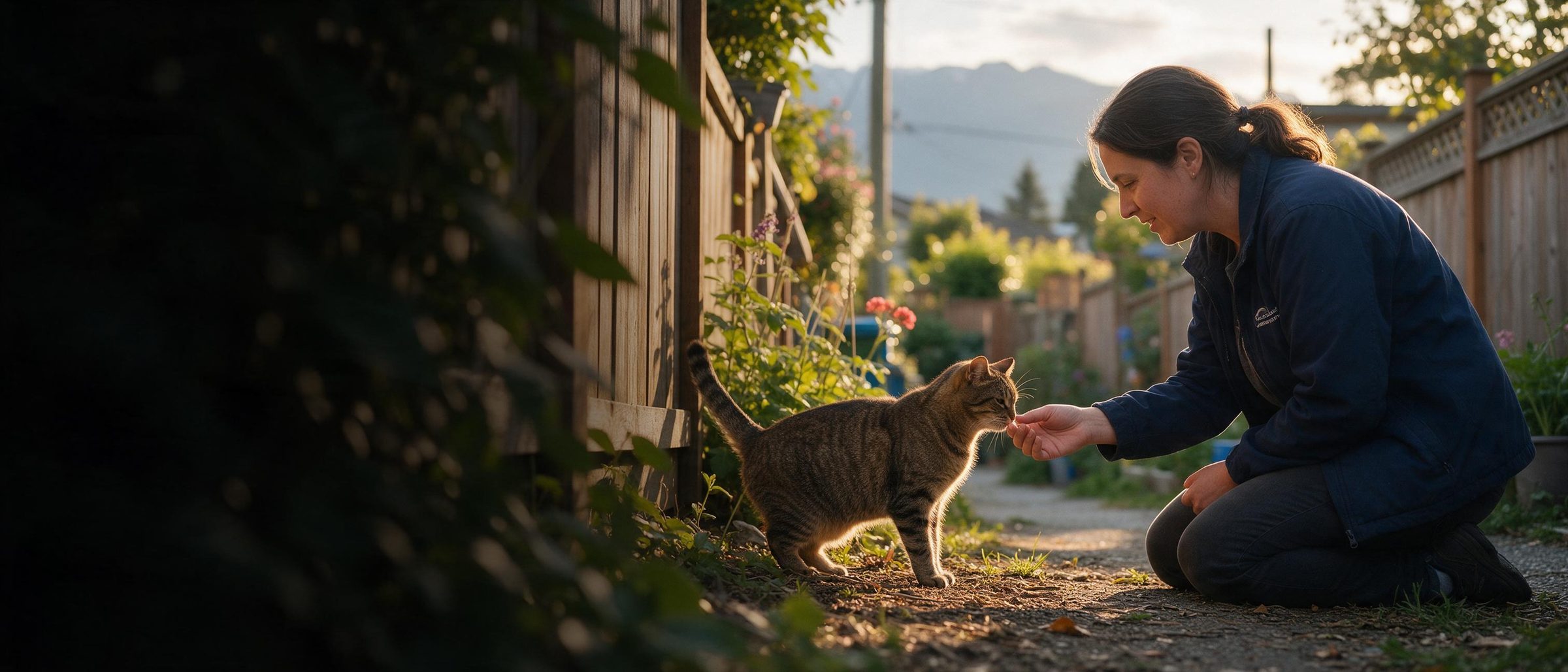
We provide trap-neuter-return for community and stray cats, help reunite lost cats with their owners, and promote responsible cat care in British Columbia.
Community cats live outdoors in almost every neighbourhood. Left alone, a few unsterilized cats soon become a colony. Trap-neuter-return is the humane way to stop that cycle: cats are sterilized, then returned to the outdoor home they know, where their numbers go down over time instead of up.
We also help owners look for cats that have gone missing, and we share practical advice so fewer cats end up lost or abandoned in the first place.
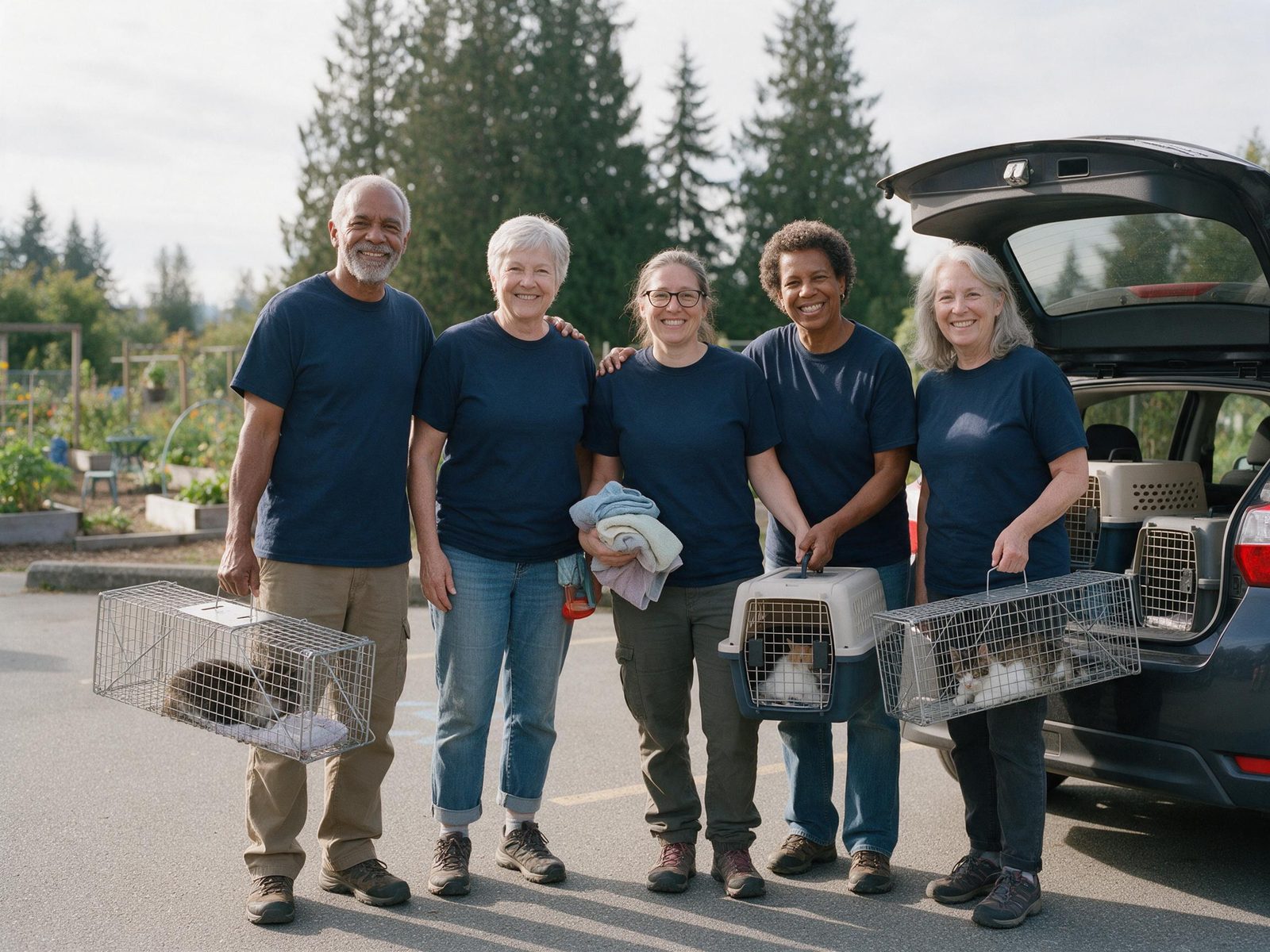
Each cat is away from its territory for as short a time as possible, and comes back healthier and unable to add to the colony.
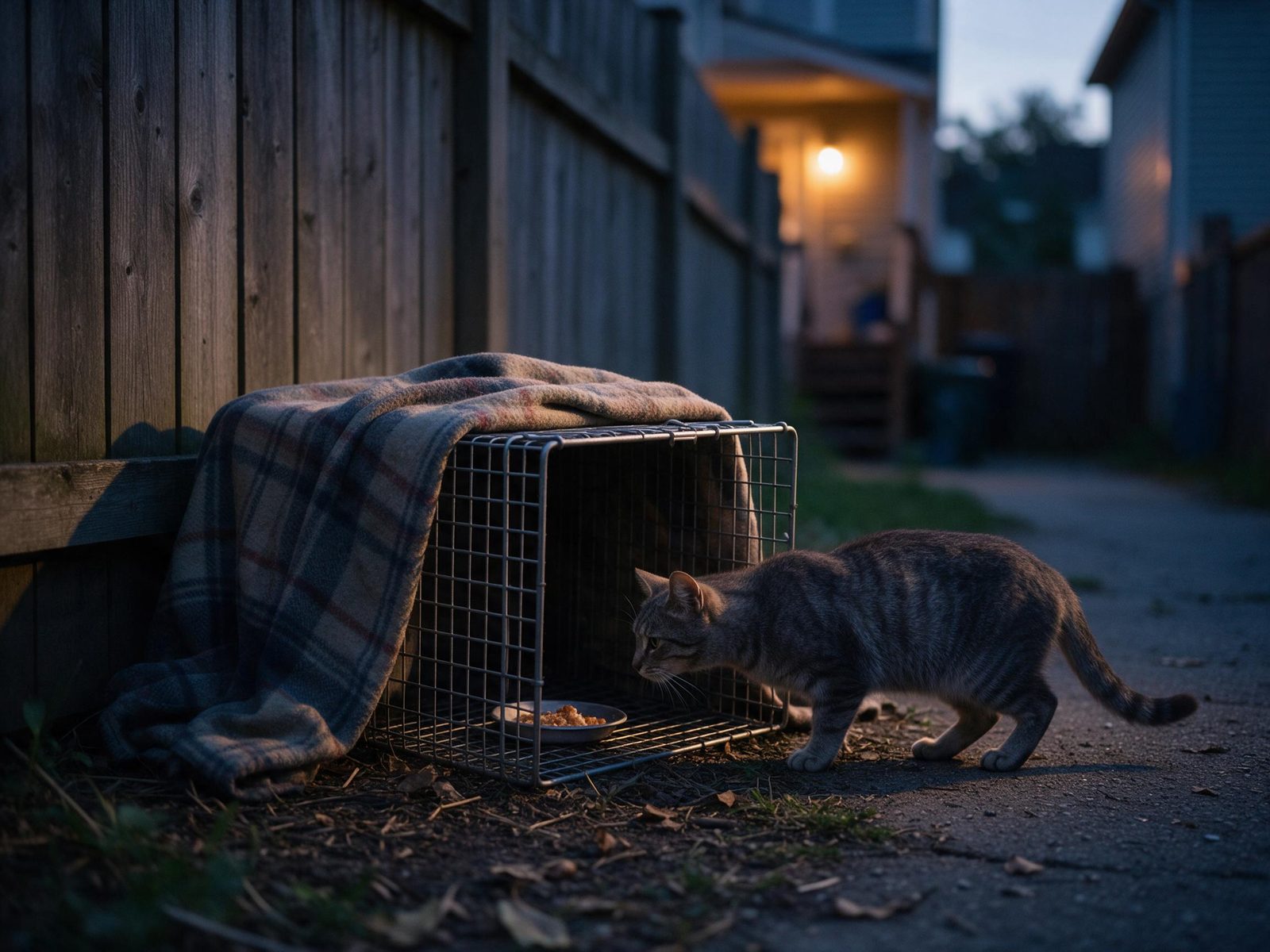
Cats are caught gently in humane box traps, usually around their regular feeding time. A cover over the trap keeps them calm.
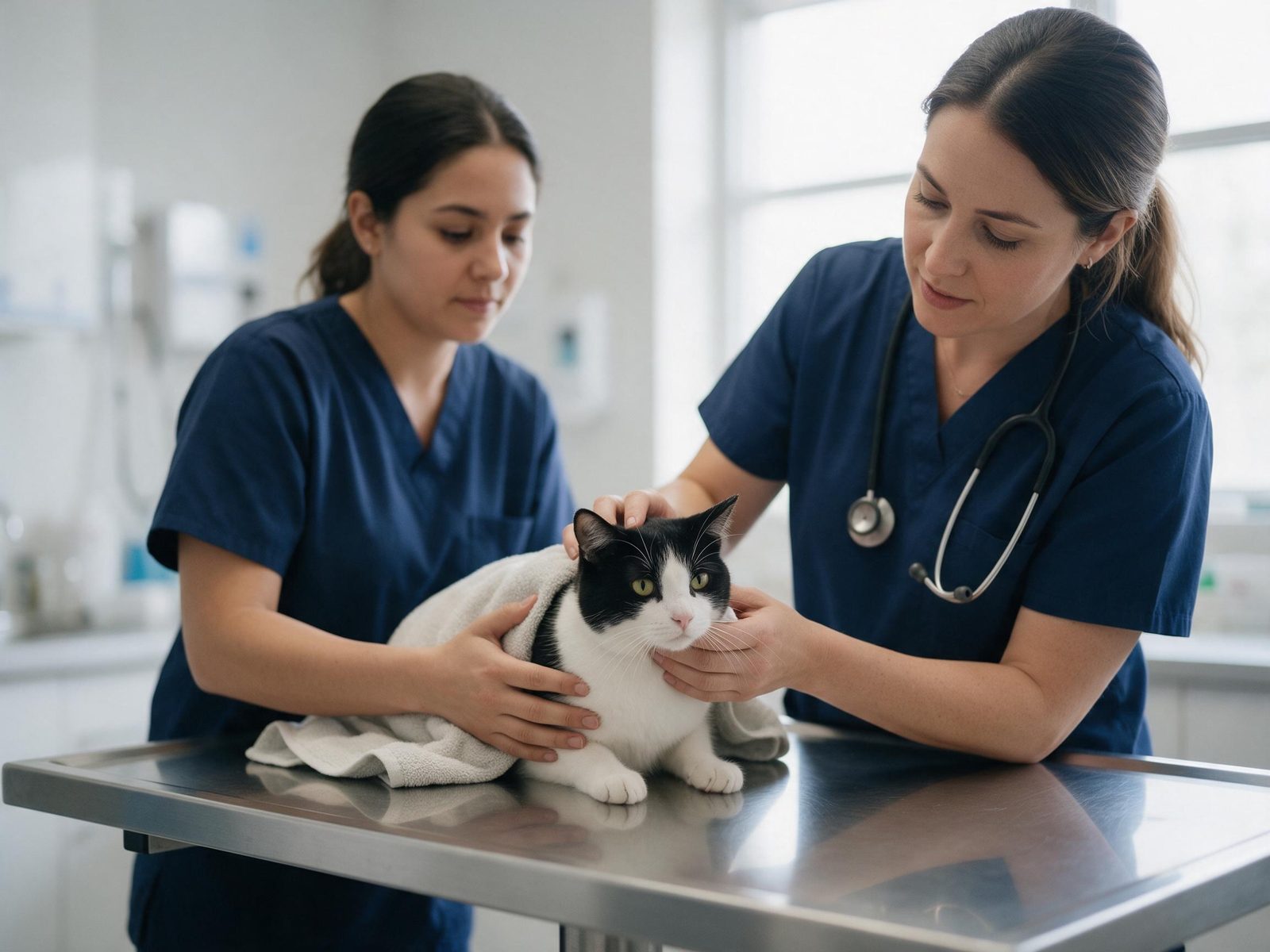
A veterinarian spays or neuters each cat and checks its health while it is under anesthesia.
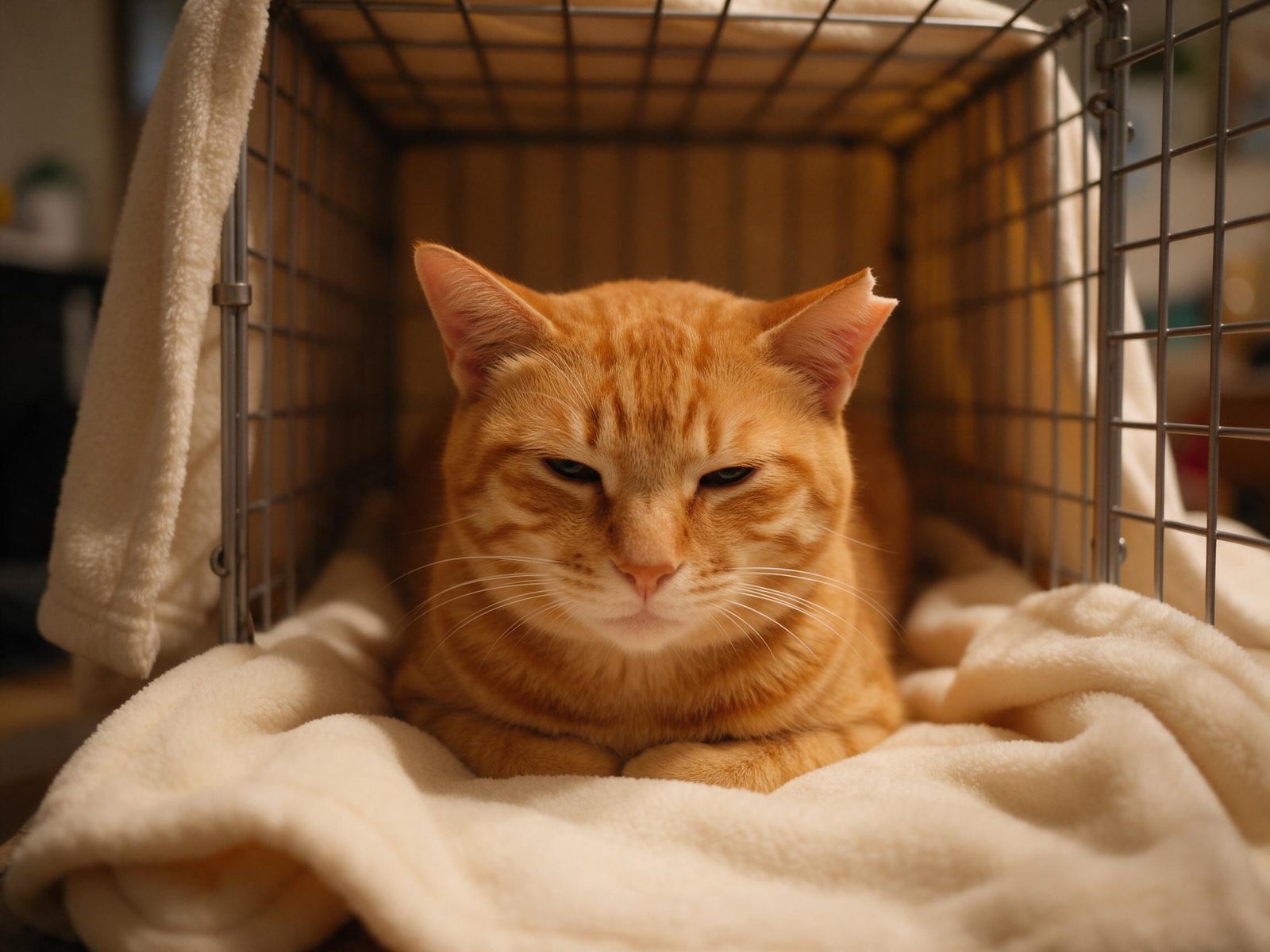
The tip of one ear is removed during surgery. It is the universal sign that a cat is already sterilized. Then the cat rests until it is ready to go.
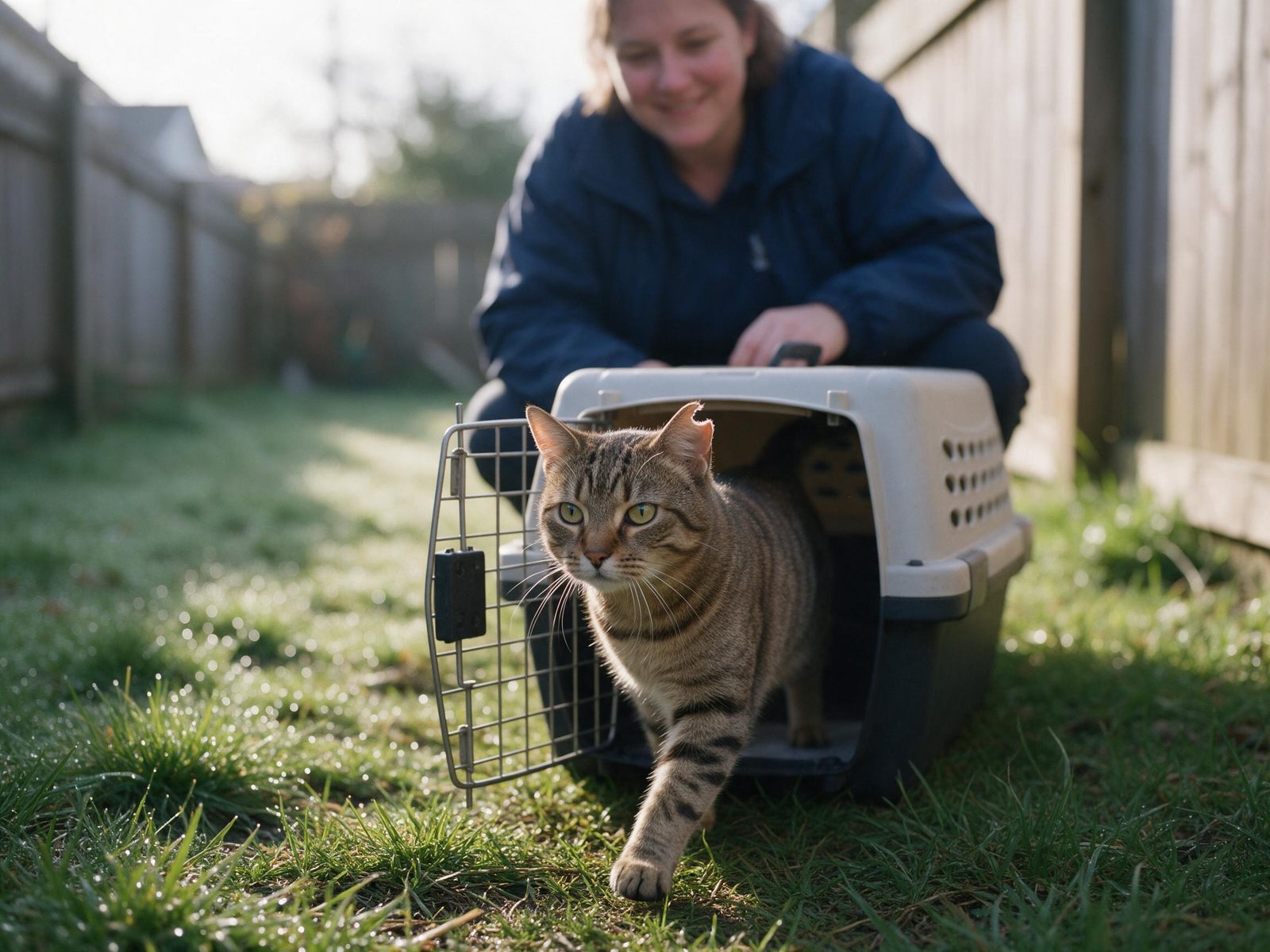
Each cat goes back to the exact spot where it was trapped, to the territory and the caretakers it already knows.
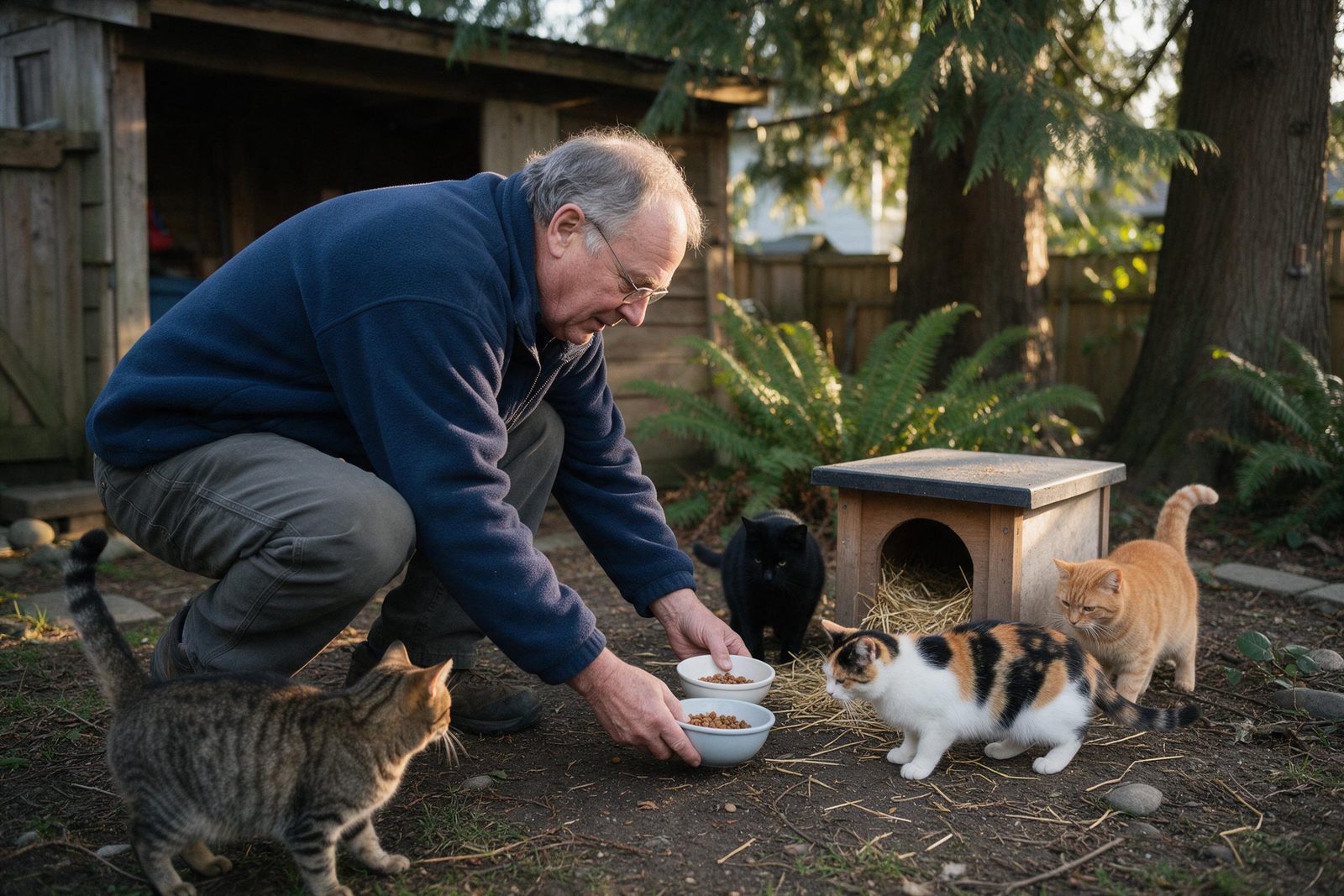
Tell us where they are and what you've seen. We'll get in touch to plan trap-neuter-return with you.
It helps a lot if you can tell us:
Is a cat injured or in immediate danger? Call a local veterinarian or the BC SPCA Animal Helpline at 1-855-622-7722.
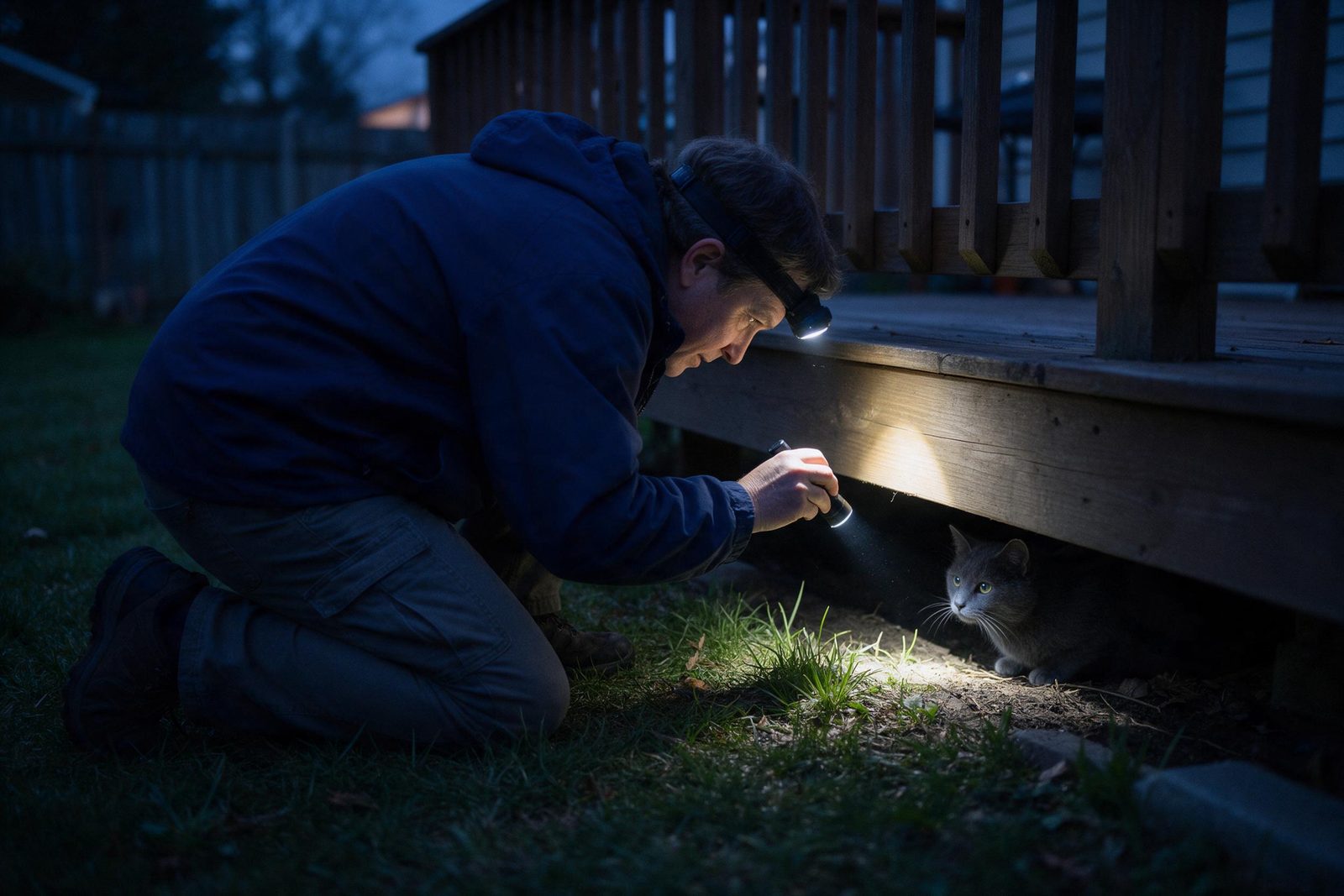
A frightened cat usually hides nearby and stays silent, even when you call. Send us a report so we can help you look, and start on these steps right away:
Most cats that end up lost or living on the street started out as someone's pet. These habits prevent that.
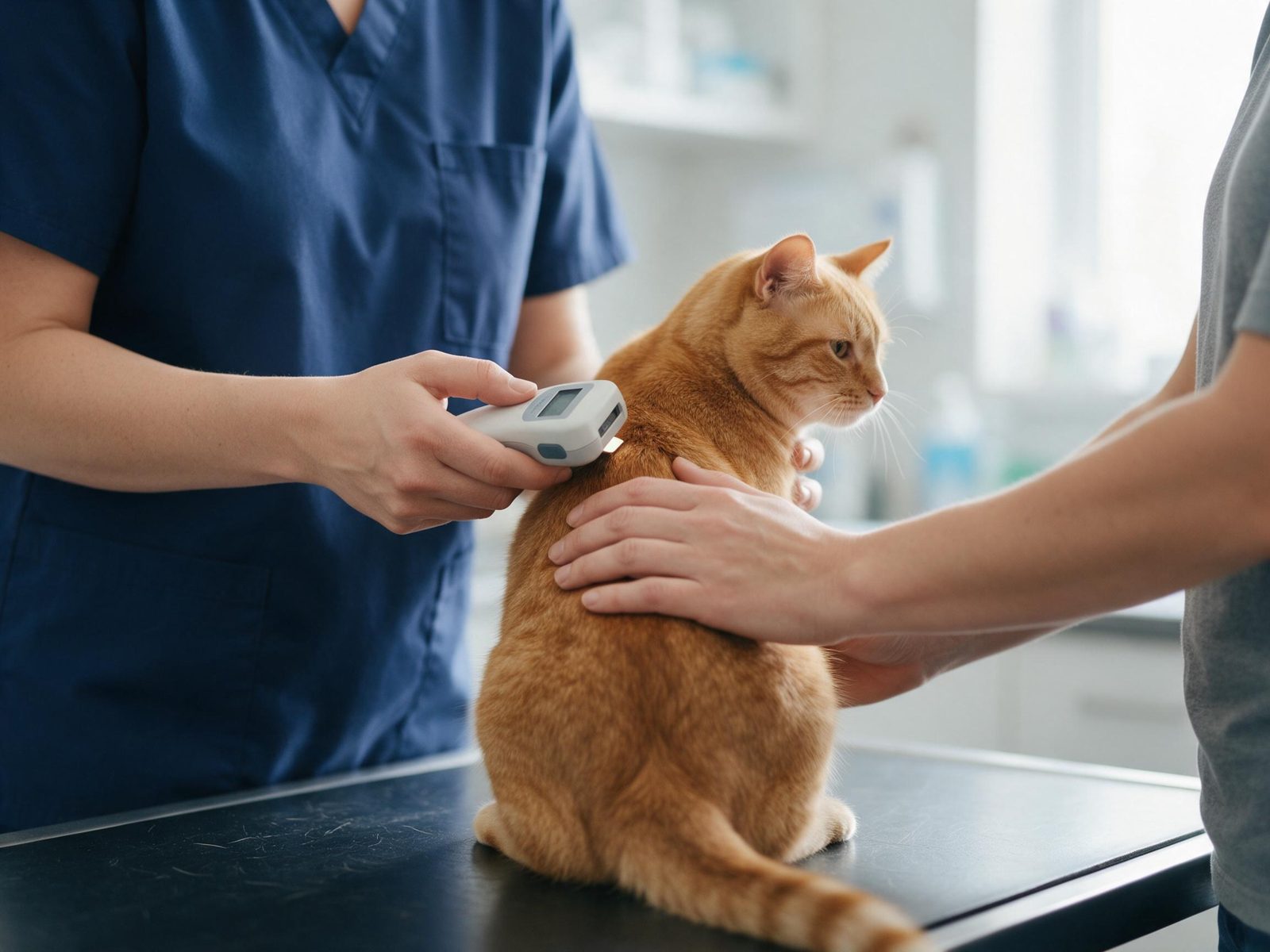
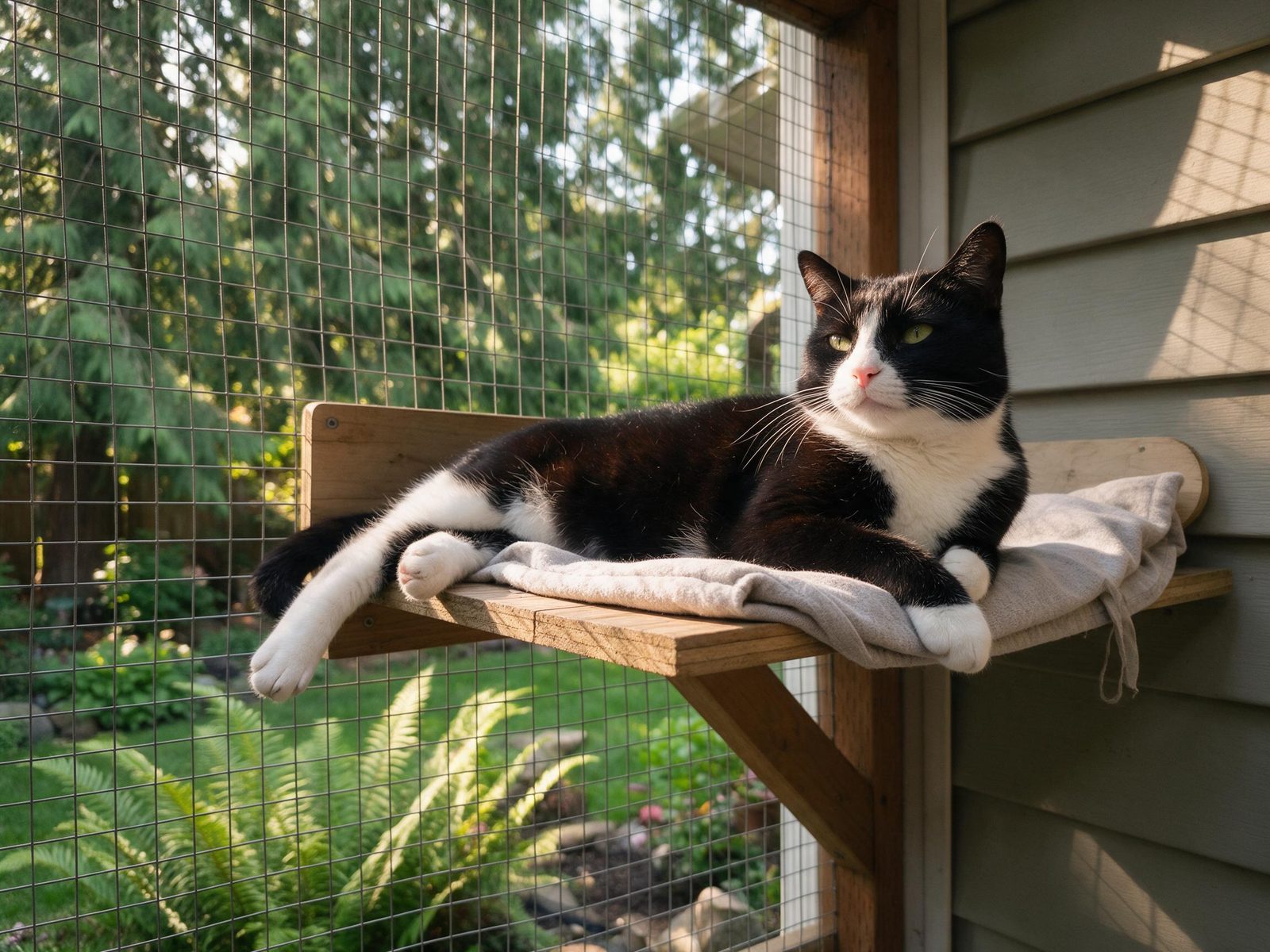
It prevents unplanned litters and reduces roaming, spraying, and fighting. Ask your veterinarian about the right age for your cat.
A microchip only works if it is registered with your current phone number. Update it whenever you move. In BC you can register with the BC Pet Registry.
Indoor cats avoid traffic, wildlife, and getting lost. A catio, a window perch, or a harness gives them fresh air without the risk.
Regular checkups and vaccinations catch problems early and keep your cat comfortable for longer.
Plan ahead for moves, travel, and emergencies. If you can no longer keep your cat, ask a rescue or shelter for help. Never leave a cat behind.
Look for the tipped ear. It means a community cat has been sterilized and is being looked after.
Gifts go toward spay and neuter surgeries, traps and carriers, food for cats in our care, and supplies for lost-cat searches.
Help cover the spay or neuter surgery for one community cat.
DonateSteady support lets us book clinic days in advance and keep traps out in the field.
Give monthlyHelp pay for traps, carriers, cat food, flashlights, and flyers.
DonateWe need people to trap, drive cats to and from the clinic, look after colonies, and join lost-cat searches. Veterinarians, shelters, and rescues can partner with us too.
TNR stands for trap-neuter-return. Community cats are humanely trapped, spayed or neutered by a veterinarian, ear-tipped, and returned to the place where they live. It is the humane way to reduce the number of cats living outdoors.
Many cats that have always lived outdoors are not suited to life in a home. Removing them also tends to leave room for new, unsterilized cats to move in. Returning sterilized cats keeps the group stable while its numbers go down naturally over time.
The tip of one ear is removed while a cat is under anesthesia for its spay or neuter surgery. It lets anyone see from a distance that the cat is already sterilized, so it doesn't need to be trapped again.
Don't pick them up right away. Their mother is often close by, looking for food. Watch from a distance, keep the area quiet, and contact us so we can help you decide what to do next.
When you send a report, we help you plan a search, share your cat's details with local groups and shelters, and join on-the-ground searches where we can.
Catty Rescue Society is being registered as a non-profit society in British Columbia. We'll post our incorporation details here as soon as registration is complete. We are not a registered charity, so we can't issue official donation receipts for income tax purposes.
Yes. Catty Rescue Society is a non-profit society incorporated under the BC Societies Act (No. ). We are not a registered charity, so we can't issue official donation receipts for income tax purposes.